
DTF vs Sublimation Printing – Which Is Better for My Business?
DTF vs Sublimation Printing – Which Is Better for My Business?
If you are planning to start or expand a custom printing business, choosing the right printing technology can have a major impact on your products, production costs, and customer satisfaction. Two popular options in the apparel and personalised printing industry are DTF (Direct-to-Film) printing and sublimation printing. But which one should you choose? Understanding the DTF vs sublimation printing difference can help you decide which technology better matches your products and business requirements. While both methods can produce colourful and detailed designs, they work differently and are suited to different materials and applications. In this guide, we will compare DTF vs sublimation, including printing methods, fabric compatibility, cost, print quality, durability, equipment, and business applications.DTF vs Sublimation Printing: What’s the Difference?
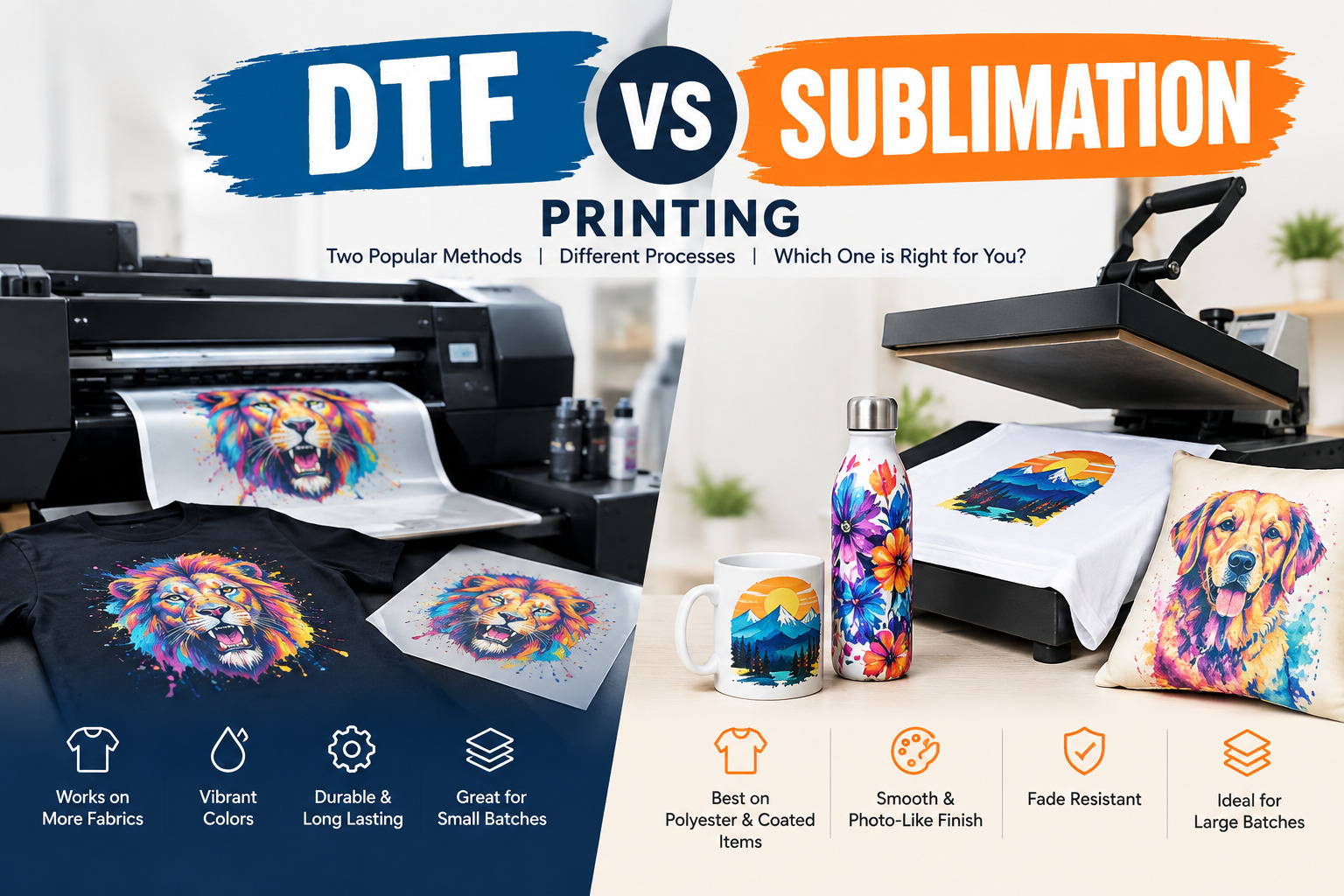
The main difference between DTF and sublimation printing is how the design is transferred onto the product. DTF printing involves printing a design onto a special PET film using specialised inks. Adhesive powder is then applied to the printed film before it is cured. The design is finally transferred onto the garment using a heat press. Sublimation printing, on the other hand, uses heat to turn sublimation ink into a gas. The ink penetrates the fibres of a suitable polyester material and becomes part of the substrate. This difference affects where each technology can be used. DTF is generally more versatile when it comes to fabric choices, while sublimation is particularly effective for polyester-based products and compatible coated substrates.What Is DTF Printing?
DTF stands for Direct-to-Film printing. It is a transfer-based printing process commonly used for customised apparel and textile products. The basic DTF process involves:- Creating or preparing a digital design.
- Printing the design onto PET transfer film using DTF inks.
- Applying hot-melt adhesive powder to the printed design.
- Curing the powder.
- Using a heat press to transfer the design onto the garment.
What Is Sublimation Printing?
Sublimation printing uses a different process. Instead of creating a surface-level transfer, sublimation ink is transferred into a suitable substrate using heat and pressure. The design is normally printed onto sublimation transfer paper. Heat is then applied using a heat press or specialised sublimation equipment. The ink changes from a solid to a gas and bonds with the polyester fibres or compatible coating. Sublimation is especially popular for:- Polyester T-shirts
- Sportswear
- Jerseys
- Mugs
- Tumblers
- Promotional products
- Personalised gifts
- Other sublimation-compatible blanks
DTF vs Sublimation Printing Difference: Side-by-Side Comparison
The easiest way to understand the difference is to compare the two technologies across the factors that matter to a printing business.| Factor | DTF Printing | Sublimation Printing |
| Printing method | Transfer from PET film | Ink becomes gas and bonds with substrate |
| Cotton | Suitable | Generally not suitable for traditional sublimation |
| Polyester | Suitable | Excellent |
| Dark garments | Suitable | Generally unsuitable |
| Light garments | Suitable | Excellent |
| Print feel | Can have a noticeable print layer | Very soft/integrated feel |
| Product flexibility | Broad textile applications | Best with polyester/coated products |
| All-over printing | Less suitable | Excellent |
| Detailed designs | Excellent | Excellent |
| Sportswear | Suitable | Highly suitable |
| Equipment | DTF printer, film, powder, heat press and related equipment | Sublimation printer, paper, ink and heat press |
| Maintenance | Requires regular maintenance | Generally simpler printing workflow |
| Business applications | Custom apparel and textile products | Sportswear, gifts and polyester products |
DTF vs Sublimation for T-Shirts: Which Works Better?
T-shirts are one of the most common products for both DTF and sublimation, but the two technologies suit different types of T-shirt businesses.DTF for T-Shirts
DTF is useful when you want to print on a wider range of fabrics. For example, a business selling customised cotton T-shirts, hoodies and sweatshirts may find DTF useful because it is not restricted to polyester garments. DTF can also work well for dark-coloured garments. A white ink layer can help the colours of the design stand out against darker materials. DTF is therefore commonly considered when a business needs flexibility across:- Cotton T-shirts
- Polyester T-shirts
- Blended garments
- Black T-shirts
- Coloured garments
- Hoodies
- Sweatshirts
Sublimation for T-Shirts
Sublimation is particularly suitable for polyester T-shirts, especially white or light-coloured garments. It is widely used for sportswear because the ink becomes integrated into the polyester fibres. This can produce a lightweight print with little to no additional surface texture. Sublimation can also be advantageous for all-over designs where the business wants to cover a large area of a polyester garment. Therefore, if your business mainly produces polyester sportswear, jerseys or light-coloured polyester apparel, sublimation can be an appropriate technology to consider.DTF vs Sublimation Cost: Which Is More Affordable?
Cost is one of the most important considerations when choosing a printing method. However, comparing only the printer price does not give you the complete picture. You should consider the total cost of equipment, consumables, maintenance and production.DTF Printing Costs
A DTF setup may require:- DTF printer
- DTF inks
- PET film
- Hot-melt adhesive powder
- Heat press
- Curing equipment or curing process
- Regular printer maintenance
Sublimation Printing Costs
A sublimation setup generally involves:- Sublimation printer
- Sublimation ink
- Sublimation transfer paper
- Heat press
- Polyester or sublimation-compatible blanks
DTF vs Sublimation for Small Business
For a small business, flexibility can be an important consideration. If you want to sell a variety of customised apparel, DTF can provide access to different fabric types and garment colours. This can allow a business to offer products such as T-shirts, hoodies and sweatshirts without restricting the product range primarily to polyester. Sublimation can be attractive for businesses focused on polyester products and personalised merchandise. It can be particularly relevant for sportswear, jerseys, mugs and other compatible products. Before purchasing equipment, consider:- What products will you sell?
- What fabrics will you use?
- Are your customers looking for cotton or polyester products?
- Will you print on dark garments?
- Do you need all-over printing?
- What is your expected order volume?
- What is your available startup budget?
- How much maintenance can you manage?
DTF vs Sublimation Printer: What Equipment Do You Need?
The equipment requirements are another important difference. A DTF printer requires specialised DTF inks and PET film. The printed film also needs adhesive powder and curing before the design is transferred using heat. A sublimation printer uses sublimation ink and transfer paper. The design is printed and then transferred onto an appropriate polyester or coated substrate using heat. The workflow for each system is therefore different. Businesses should also consider maintenance and operational requirements before purchasing a printer. Printer maintenance, ink management, storage, ventilation, workspace and production workflow can all affect the practicality of a setup. Instead of selecting equipment based only on the advertised printer specifications, consider the complete workflow from design to finished product.DTF vs Sublimation: Print Quality and Durability
Both DTF and sublimation can produce detailed and colourful designs, but their finished appearance is different. DTF produces a transferred design that sits on the surface of the fabric. Depending on the materials and application, the print can have a perceptible layer or texture. Sublimation works differently because the ink becomes integrated into the polyester fibres. This can create a smooth print with minimal change to the surface feel of the material. Durability depends on several factors, including:- Ink quality
- Transfer materials
- Fabric quality
- Heat and pressure settings
- Curing
- Washing conditions
- Application technique
DTF vs Sublimation: Which Products Can You Print?
Your product range can strongly influence the decision.DTF Printing Applications
DTF can be considered for products such as:- Cotton T-shirts
- Polyester T-shirts
- Hoodies
- Sweatshirts
- Custom apparel
- Workwear
- Personalised clothing
- Other compatible textile products
Sublimation Printing Applications
Sublimation is commonly used for:- Polyester T-shirts
- Sports jerseys
- Sportswear
- Mugs
- Tumblers
- Personalised gifts
- Promotional products
- Other sublimation-compatible blanks
DTF vs Sublimation: Pros and Cons
DTF Printing Pros
- Works with a wider variety of textile materials
- Suitable for cotton and polyester garments
- Can be used on dark-coloured apparel
- Suitable for detailed and colourful designs
- Useful for customised apparel businesses
- Flexible for different garment types
DTF Printing Cons
- Requires multiple consumables
- Film and adhesive powder are required
- Requires regular printer maintenance
- The finished print can have a noticeable surface feel
Sublimation Printing Pros
- Excellent for polyester products
- Produces a smooth, integrated print
- Well suited to sportswear
- Suitable for all-over designs
- Can be used for various compatible promotional products
- Useful for personalised gift businesses
Sublimation Printing Cons
- Primarily suited to polyester or specially coated substrates
- Traditional sublimation is not suitable for most cotton garments
- Dark garments can be challenging
- Requires compatible blanks
DTF vs Sublimation: Which Is Better for Your Business?
The answer depends on your business model. DTF may be worth considering if your business needs:- Cotton garment printing
- Dark garment printing
- Multiple fabric options
- Custom T-shirts
- Hoodies and sweatshirts
- Flexible apparel production
- Polyester apparel
- Sportswear
- Jerseys
- All-over designs
- Personalised mugs and gifts
- Sublimation-compatible products
What Should You Consider Before Buying a DTF or Sublimation Printer?
Before investing in equipment, consider the complete economics of your business.1. Target Market
Understand what your customers actually want to buy.2. Product Range
Decide whether you will focus on T-shirts, hoodies, sportswear, gifts, promotional products or a combination.3. Fabric Requirements
Determine whether your products will primarily use cotton, polyester or blended materials.4. Production Volume
Your expected daily and monthly order volume can influence the type of equipment you need.5. Startup Budget
Consider the complete setup cost rather than just the printer price.6. Maintenance
Understand the maintenance requirements, consumables and ongoing operating costs.7. Profitability
Calculate your actual cost per product and compare it with your expected selling price.8. Future Expansion
Think about whether you will eventually add new products or expand your printing capacity.Frequently Asked Questions About DTF Printer Maintenance
Is DTF better than sublimation?
DTF and sublimation are designed for different applications. DTF offers greater flexibility across many textile types, while sublimation is particularly suited to polyester and compatible coated products.
Which is cheaper, DTF or sublimation?
The overall cost depends on the equipment, consumables, products, design size and production volume. Calculate the complete cost per product before deciding.
What is the difference between DTF and sublimation printing?
DTF transfers a printed design from film onto a product using adhesive powder and heat. Sublimation uses heat to turn ink into a gas that bonds with polyester fibres or compatible coatings.
Is DTF or sublimation better for T-shirts?
It depends on the T-shirt material and design. DTF offers flexibility across cotton, polyester and other compatible fabrics, while sublimation is particularly suited to light-coloured polyester T-shirts.
Can DTF print on cotton?
Yes. DTF is commonly used for cotton garments, which is one reason it is popular for custom apparel applications.
Can sublimation print on cotton?
Traditional sublimation is generally designed for polyester or specially coated substrates rather than standard cotton garments.
Can DTF print on dark shirts?
Yes. DTF can be used on dark garments because the process can use white ink as part of the transfer.
Which lasts longer, DTF or sublimation?
Durability depends on the materials, production settings, application process and care instructions. Sublimation becomes integrated into suitable polyester fibres, while DTF creates a transferred layer on the garment.
Which is better for a small business, DTF or sublimation?
The choice depends on your products, target customers, fabrics, order volume and budget. A business focused on diverse custom apparel may have different requirements from a business focused on polyester sportswear or personalised products.
Conclusion
Understanding the DTF vs sublimation printing difference is important before investing in printing equipment.
DTF and sublimation both have their own applications. DTF provides flexibility for a broad range of apparel and fabric types, including cotton and dark garments. Sublimation is particularly effective for polyester apparel, sportswear, all-over designs and compatible promotional products.
The right choice ultimately depends on your business model, product range, target customers, fabric requirements, production volume and budget.
Before making an investment, compare not only the printer price but also consumables, maintenance, production workflow, product costs and expected demand. This will help you choose a printing setup that fits your business rather than simply choosing one technology over another.
Latest Deals for This Week
View All- All-in-one A3 DTF printer with built-in shaker & tunnel dryer
- Continuous roll DTF printer with smokeless curing technology
- Auto-feed, print, powder, cure & rewind system – zero manual steps
- Powerful XP600 with consistent white ink recirculation
- Ideal for transfer sellers, merch factories & contract printing units
- A3 size DTF printer with separate A3 curing oven included
- Perfect for semi-automatic DTF printing workflow in India
- XP600 DTF printer for high-resolution CMYK + White prints
- Compatible with hot and cold peel DTF films
- Designed for consistent curing and medium-scale apparel printing
- Top-tier 24 inch DTF printer for export-grade DTF printing in India
- BYHX mainboard with color sync + high-speed RIP compatibility
- Smokeless powder curing system for clean indoor use in metro print shops
- Smart interface with 7″ touch panel, sensor feedback, and ink flow control
- Built for POD factories, custom merch labs & transfer film manufacturing units
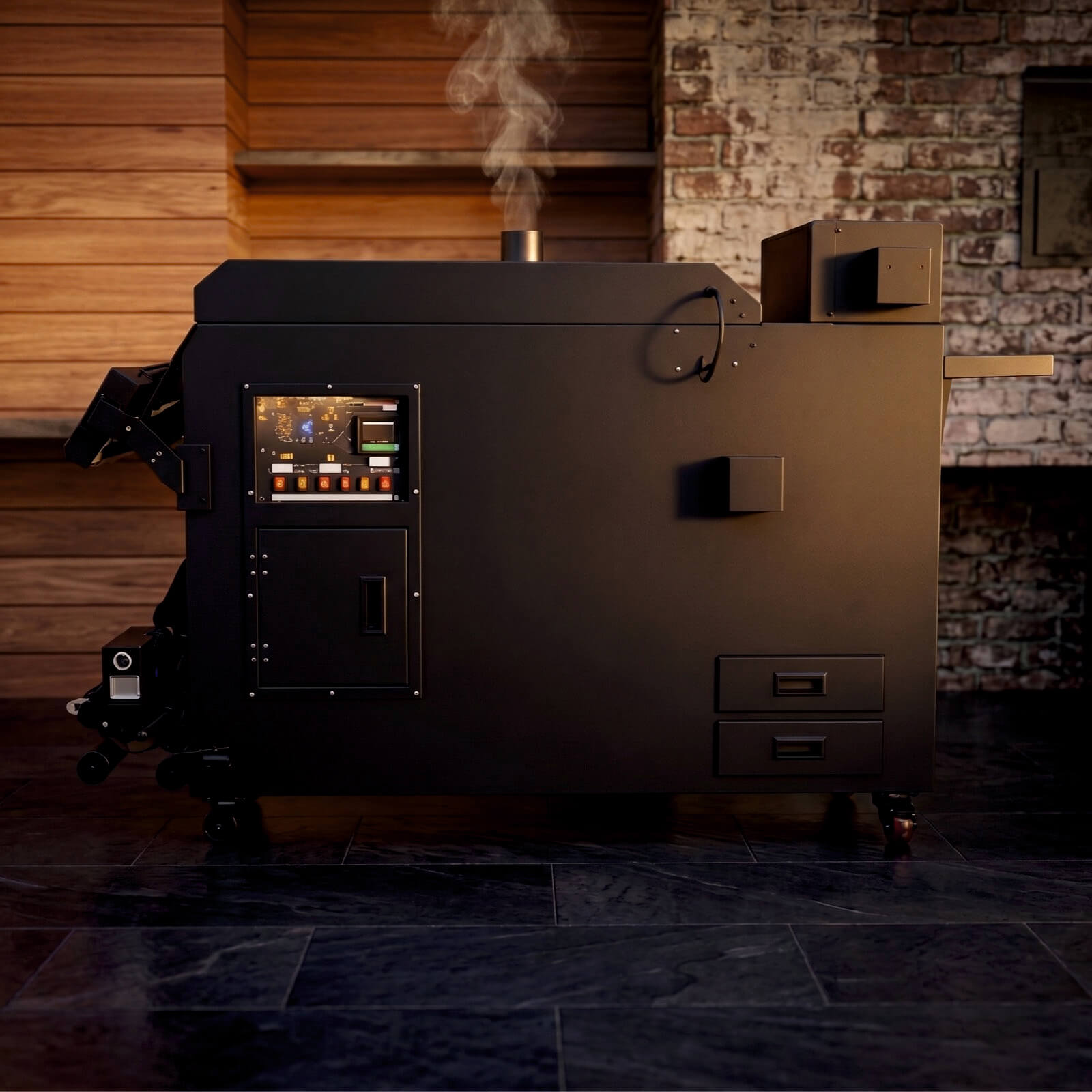
- Industrial 4-head DTF printer with smokeless powder dryer
- Ideal for t-shirt factories, roll transfer exporters, POD production hubs
- High-resolution Epson I3200 heads with wide-format 24-inch film handling
- CMYK + White ink with stable recirculation and CISS for long runs
- Plug-and-play operation with Maintop / Print XP RIP software
- India’s preferred 4-head 24-inch DTF printer for textile factories
- BYHX high-speed controller with full color sync support
- Auto feed, auto take-up & smart touch control panel for easy operation
- Suitable for garment factories, POD exporters & DTF roll vendors
- Designed for non-stop bulk runs with smart workflow alerts


Celebrating over two decades of manufacturing excellence in China, Roku Prints is a global leader in delivering cutting-edge printers, including our state-of-the-art DTF printers…
Quick Links
Products
- DTF PrintersDirect-to-Film (DTF) printing is a super popular method for creating high-quality, full-color transfers that can be applied to shirts and other garments. If you’re looking for a DTF printing machine for shirts, here’s a quick rundown of what to consider, plus some top options to check out in 2025.
- UV Printers
- DTF Accessories
- Printing Solutions
- Sublimation Printers
Contact Information
 Noida Rd, E-07, Basement floor, Noida, Uttar Pradesh 201301
 +91-9560108015, 9560028016, 9212382730
 info@rokuprints.com
Copyright © 2026 Roku prints. All Rights Reserved.